hinking about moving to Granada, Spain?
Falling in love with Granada while on vacation is easy. But living here is a different experience — and there are things you should know before making the move.
I help Americans who are considering relocating to Granada understand what everyday life here is really like, from choosing the right neighborhood and finding a home to getting around, shopping, healthcare, social life, and the little cultural differences that can make a big difference when you live here.
Is Granada the Right Place for You?
Before you make a big decision, it is important to look beyond the tourist attractions and explore what living in Granada is actually like. A city can feel completely different when you are no longer visiting for a few days, but instead navigating ordinary routines, appointments, errands, and relationships.
Moving to Granada may appeal to people who want to experience Spanish culture, live in a historic and lively city, and enjoy a different pace of daily life. At the same time, relocating abroad requires preparation, patience, and a willingness to adapt. The right choice depends on your priorities, expectations, lifestyle, and personal circumstances.
Choosing the Right Neighborhood in Granada
One of the first questions people ask is where they should live. The best neighborhood for you will depend on your lifestyle and what you want from everyday life.
Some people prefer to be close to the historic center, restaurants, cultural attractions, and the energy of the city. Others may prefer a quieter area, more residential surroundings, or easier access to particular services. Walkability, public transport, shops, healthcare, and the kind of atmosphere you enjoy can all influence your decision.
A neighborhood that feels perfect for a short visit may not necessarily be the best fit for your everyday routine. Before choosing a home, it is worth thinking about where you will spend most of your time and what kind of environment will make you feel comfortable long term.
Housing and Everyday Expenses
Housing is another important part of planning a move to Granada. Before making decisions, you need a realistic picture of what you can expect to pay and what is included in the cost of living.
The final cost can depend on factors such as location, the size and condition of the property, your preferred lifestyle, and whether you are renting or buying. Everyday expenses also include groceries, transport, utilities, communication services, leisure activities, and other regular needs.
Rather than relying only on prices seen during a holiday, it is better to create a practical monthly budget based on your own situation. Consider the difference between short-term accommodation and a long-term home, and allow room for costs connected with setting up your life in a new country.
Do You Really Need a Car?
Transport is another question to consider before moving to Granada. Depending on where you live and how you spend your time, you may find that many everyday activities can be managed without a car.
Walking, public transport, taxis, and other local options may be enough for some residents. However, your needs could be different if you plan to travel frequently, live outside the city, or have work and family commitments that require more flexibility.
The important thing is not to assume that your transport routine will be exactly the same as it was in the United States. Think about your daily destinations, your preferred neighborhood, and how often you expect to travel beyond Granada before deciding what works best for you.
Healthcare and Everyday Services
Healthcare and other everyday services are also part of the relocation process. Understanding how appointments, local services, shopping, banking, communication, and other routines work can make the transition easier.
These systems may feel familiar in some ways and different in others. You may need time to understand where to go, what documents may be required, and how to organize practical matters. Asking questions and working with appropriate professionals can help you avoid unnecessary confusion.
Healthcare arrangements can depend on your personal circumstances and immigration situation. For that reason, it is important to obtain appropriate professional guidance rather than making assumptions based on someone else’s experience.
Daily Life Compared with the United States
Moving to Granada also means adapting to cultural differences. Some may be small, such as shopping habits, opening hours, meal schedules, communication styles, or the rhythm of social life. Others may affect the way you organize your time and manage expectations.
These differences are not necessarily problems, but they can be surprising when you first arrive. Patience, flexibility, and curiosity are valuable when building a new routine. The more you understand the local context, the easier it becomes to appreciate the advantages of life in Granada without becoming frustrated by differences from home.
What Might Surprise You — and What You’ll Probably Love
Relocating to another country is rarely a completely smooth experience. There may be moments when bureaucracy, language differences, unfamiliar procedures, or slow progress test your patience. These are normal parts of adapting to a new place.
At the same time, many people are drawn to Granada because of its atmosphere, history, culture, food, surroundings, and the possibility of creating a different kind of daily life. Living here gives you the opportunity to experience the city beyond its most famous sights and to develop a connection with local routines and communities.
The goal is not to expect every day to feel like a holiday. The goal is to decide whether the realities of life in Granada fit the life you want to build.
Building a Social Network in Granada
Creating a social life is one of the most important parts of settling in. It takes time to meet people, develop friendships, and feel connected to your surroundings.
You may begin by joining activities, attending local events, practicing Spanish, connecting with other international residents, or participating in groups that reflect your interests. A social network does not appear instantly, so it helps to be proactive and consistent.
Having realistic expectations can make the process easier. Building a life abroad is not only about finding a home; it is also about creating routines, relationships, and a sense of belonging.
Immigration, Tax, Housing, and Formal Matters
Moving to Granada involves practical and formal questions. Depending on your situation, you may need help with immigration, tax, housing, documentation, or other legal and administrative matters.
I do not provide legal or tax advice. For those matters, I work with qualified local professionals who can provide the appropriate advice. Getting guidance from the right professional is an important part of making informed decisions and avoiding mistakes.
More Than a Tourist
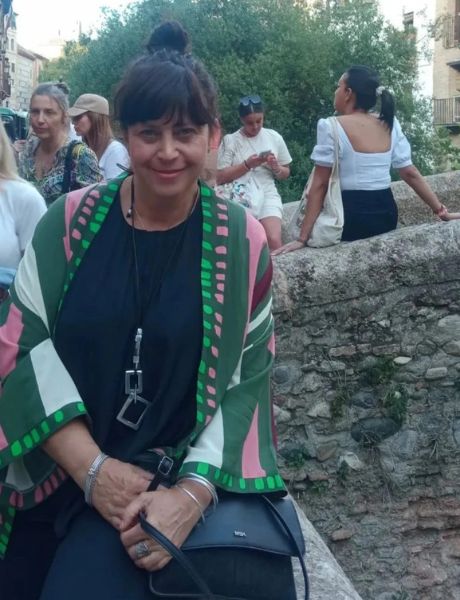
I have been living and working in Granada for many years, and as a professional guide I have spent years helping American visitors discover the city. I have also seen firsthand the questions, expectations, and surprises that come with considering Spain as a new home.
My goal is not to convince you to move to Granada. It is to help you decide whether Granada is the right place for you before you make the move.
Thinking Seriously About Granada?
Start with a conversation.
Tell me about your plans, your lifestyle, and what you are looking for, and I will help you get a realistic picture of what your life in Granada could look like.
Moving to Granada can be an exciting possibility, but the best decisions begin with realistic information and thoughtful preparation.