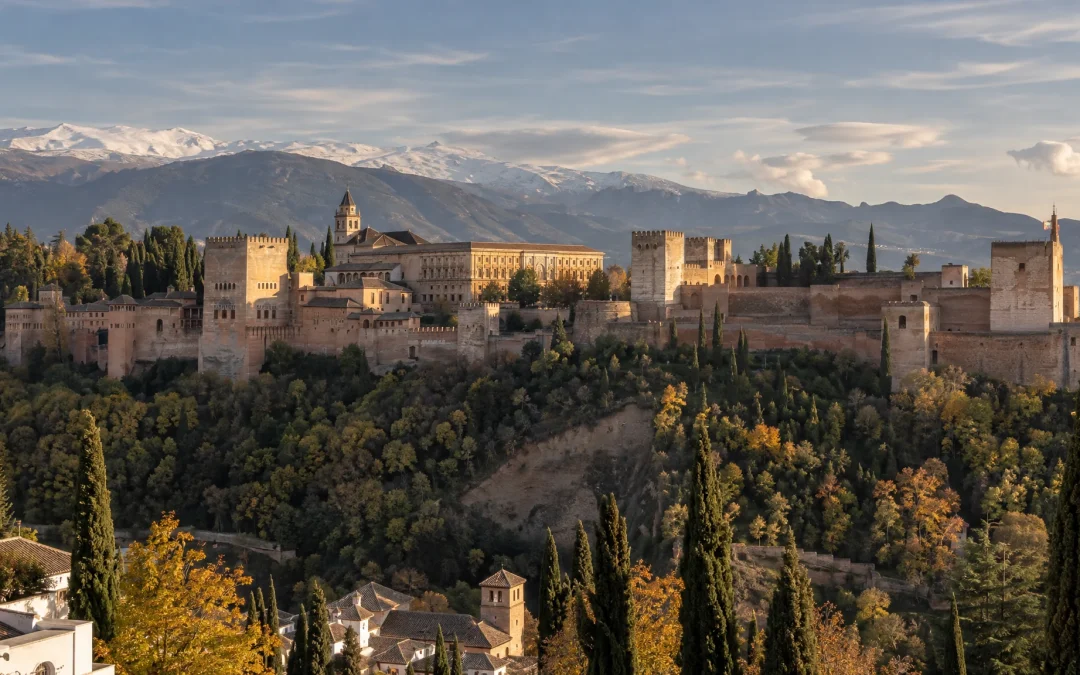
Granada in November is the month when the city slows down, the light turns soft, and the Alhambra finally feels like a place you can breathe in. Summer crowds have gone, terraces still work in the middle of the day, and the Sierra Nevada starts to show its first snow while the city below stays mild.
For travelers who want Granada without the July heat and without queuing behind large groups, November is one of the most rewarding months of the year. It is also a month that rewards planning, because daylight is shorter and some seasonal experiences only happen now.
What November Weather in Granada Is Really Like
November in Granada is cool rather than cold, with mild days and noticeably chilly mornings and evenings. Rain becomes more likely than in October, though it rarely settles in for days at a time. The usual pattern is a bright morning, a few hours of cloud, and a shower that passes.
The detail that catches visitors out is the gap between sun and shade. A table in the sun at lunchtime can feel warm enough for a light shirt, while the same street an hour after sunset feels like winter. Locals dress in layers and adjust through the day rather than committing to one heavy coat.
Granada sits at around 700 meters above sea level, and the Albaicín and Sacromonte climb considerably higher. Walking up to the viewpoints generates heat, and standing still at a mirador does the opposite. A light waterproof layer and comfortable shoes matter more than a heavy jacket.
Snow in the city itself is rare. Snow on the Sierra Nevada is normal, and the contrast between white peaks and green olive slopes is one of the visual signatures of November.
Why November Is a Good Month to Visit Granada
The main advantage is space. The Alhambra still sells out, but the pressure on restaurants, buses, and the narrow streets of the Albaicín drops sharply compared with spring and summer.
Accommodation softens outside holiday weekends, and it becomes realistic to book a room with a view rather than accepting whatever is left.
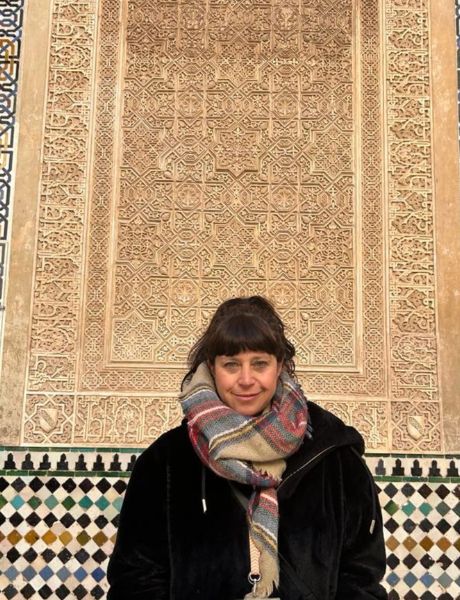
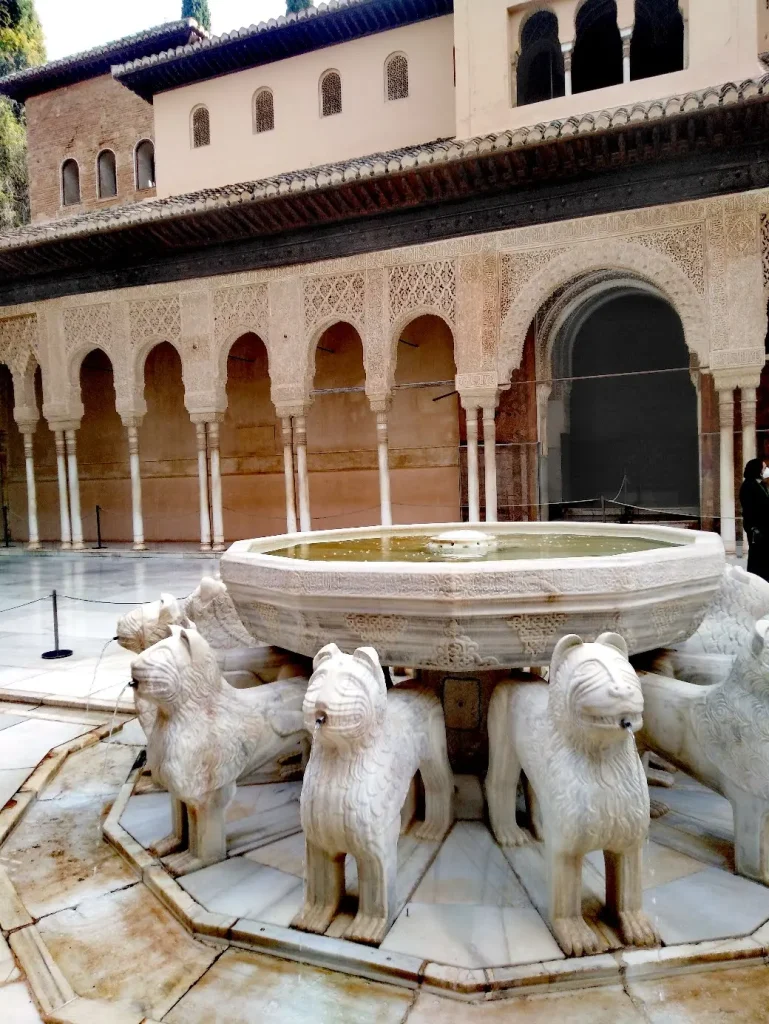
Guided visits feel different in November. A private guide can spend time on the plasterwork and the stucco decoration of the Nasrid Palaces without being pushed along by the group behind. Conversations about history, water, and poetry happen at a normal pace.
Daylight is the trade-off. Sunset arrives early, so a visit that starts at four in the afternoon will finish in the dark. Plan the Alhambra for the morning or the middle of the day and keep the late afternoon for indoor experiences.
The Alhambra in November
November is a strong month for the monument. The summer glare that flattens photographs is gone, and the low sun rakes across the walls, bringing out the texture of the stucco and the geometry of the ceilings.
Book ahead anyway. November is quieter than May, but the Nasrid Palaces still run on timed entry and the best slots disappear. Two months of anticipation remains the safe approach for a fixed travel date.
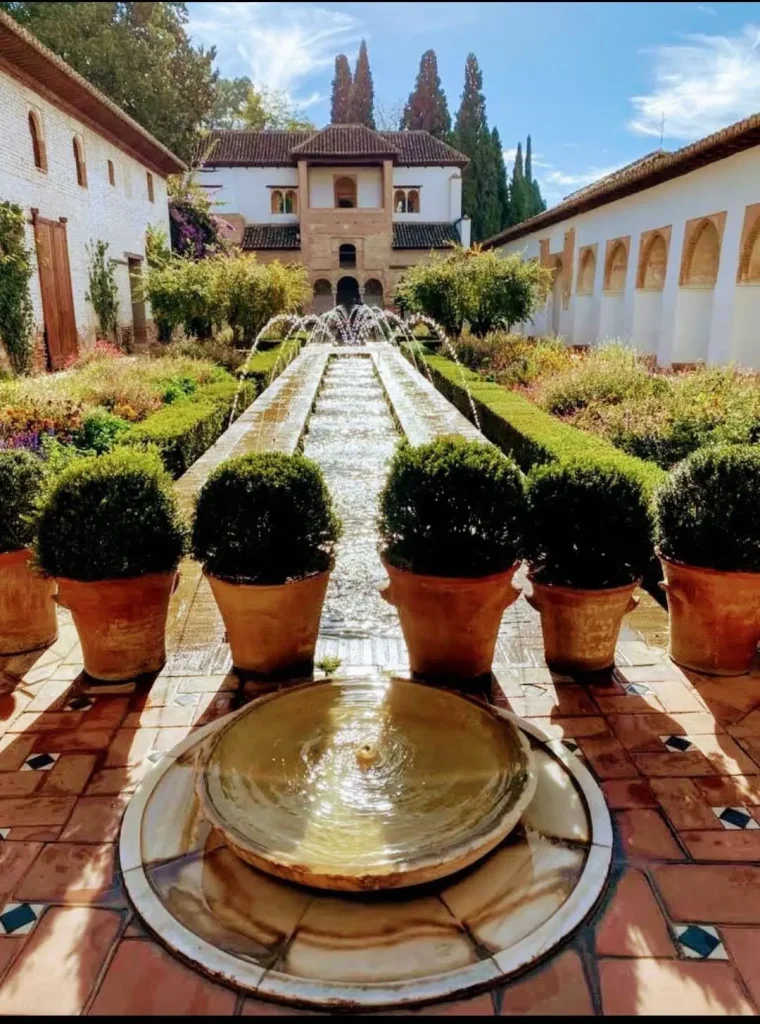
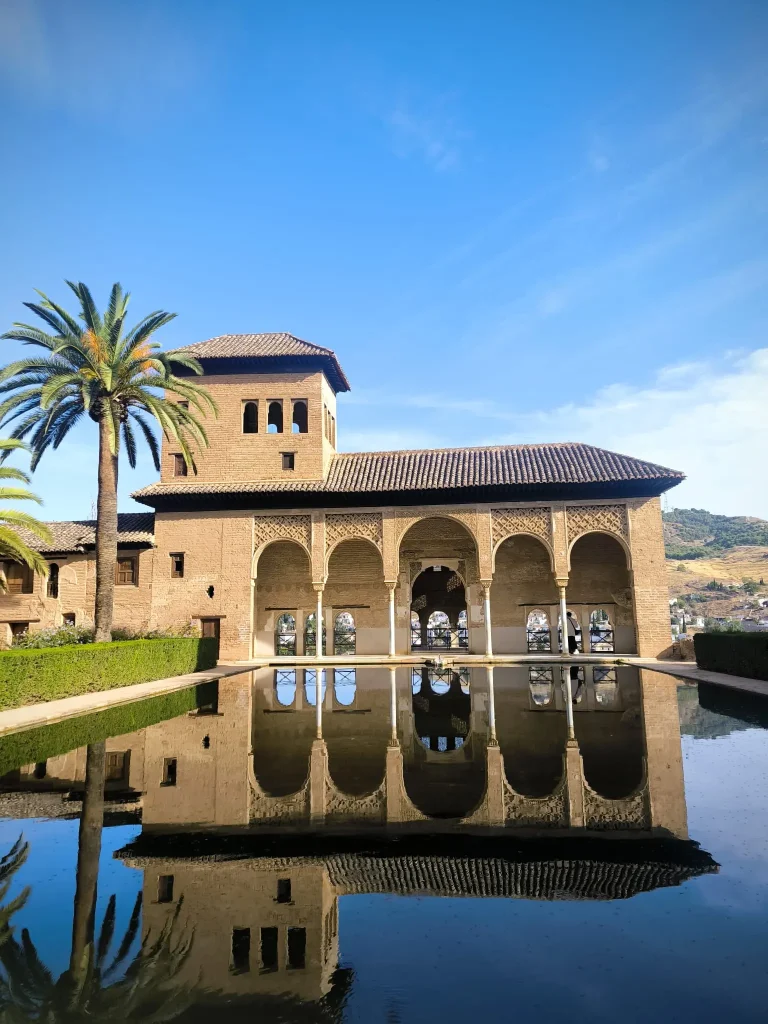
Rain changes the experience rather than ruining it. Courtyards reflect, the myrtle hedges darken, and the palace interiors become more atmospheric. Bring a compact umbrella and accept that some outdoor paths will be slippery.
The Palace of Charles V takes about fifteen minutes if you want to see the facade and walk the circular courtyard. Add more time only if you plan to enter the museums inside.
If your visit falls on a cold morning, start with the outdoor sections and move inside as the day warms, or reverse the order if rain is forecast for the afternoon.
What to Do in Granada in November
November is a month for the parts of Granada that ask for time rather than sunshine.
The Albaicín rewards slow walking. Streets are steeper and quieter than in summer, and the small plazas with their tea shops and bakeries feel like neighborhood spaces again. The climb to San Nicolás is cooler, which makes it far more pleasant than in August.
Sacromonte and its cave houses are worth a visit, and flamenco in a small venue suits the season. A tablao with thirty seats delivers more than a large stage, especially when the night air outside is cold and the room is warm.
An Arab bath session is another November pleasure. The contrast between hot and cold rooms and the steam feels better when the street outside is chilly, and the experience is calmer outside peak season.
Food shifts toward the heavier side of Andalusian cooking. This is the season for stews, legumes, and dishes built on olive oil and cured meat. The olive harvest is underway across the province, and the new oil starts appearing in shops and restaurant kitchens.
Sierra Nevada usually opens its ski season late in the month or in early December, weather permitting. Even without skiing, the drive up to the ski village and the view back over the city is worth half a day.
Day Trips That Work in November
Shorter daylight makes distant day trips less attractive, but several destinations remain comfortable.
The Alpujarras villages are cooler and quieter, and the almond and chestnut landscapes turn autumnal. Nerja and the coast stay mild, and the drive down from Granada passes through avocado country.
Olive mills in the province receive visitors during the harvest, and a tasting in a small mill explains more about Andalusian cooking than any restaurant menu.
Practical Notes for a November Visit
Check opening hours before you build a day around a museum or a monument, because some sites reduce their schedule outside high season.
Sunset comes early, so plan the last outdoor activity of the day with a margin. A viewpoint at five in the afternoon in November is a different proposition from the same viewpoint in June.
Restaurants still follow Spanish hours. Lunch is the main meal, dinner starts late, and some kitchens close between services. A late breakfast and a proper lunch solves most of the scheduling problems.
Rain gear, layers, and shoes with grip cover almost every November scenario. Add a warm mid-layer for evenings and you are prepared.
Frequently Asked Questions
Is November a good time to visit Granada?
Yes. Crowds are lighter, daytime temperatures are mild, and the Alhambra is more comfortable to explore. Expect cool evenings and a higher chance of rain.
How cold is Granada in November?
Days are usually mild and evenings are chilly. The difference between sun and shade is significant, so layers work better than a single heavy coat.
Do I still need to book Alhambra tickets in advance?
Yes. November is quieter, but the Nasrid Palaces use timed entry and popular slots sell out. Book as soon as your dates are fixed.
Does it rain a lot in Granada in November?
Rain is more likely than in summer, usually in short showers rather than all-day storms. A compact umbrella and waterproof shoes are enough.
Can I see snow in Granada in November?
Snow in the city is rare. Snow on the Sierra Nevada is common, and the ski season sometimes opens late in the month.
What should I wear in Granada in November?
Layers, comfortable walking shoes with grip, and a light waterproof jacket. Add a warm mid-layer for evenings in the Albaicín and Sacromonte.
Is the Alhambra better in the morning or afternoon in November?
Morning or midday works best because sunset arrives early. A late afternoon start will finish in darkness.