Is Granada a good place to live for Americans? For many people, the answer is yes. Granada offers a combination that is difficult to find in many larger European cities: a rich cultural life, a relaxed atmosphere, access to nature, a walkable historic center, and a cost of living that can be more manageable than in many major cities in the United States.
Of course, moving to another country is a serious decision. Granada is not perfect for everyone, and living here is very different from visiting for a long weekend. Daily life involves adapting to Spanish schedules, learning how local administration works, speaking Spanish more often, and accepting that some things move at a slower pace than many Americans are used to.
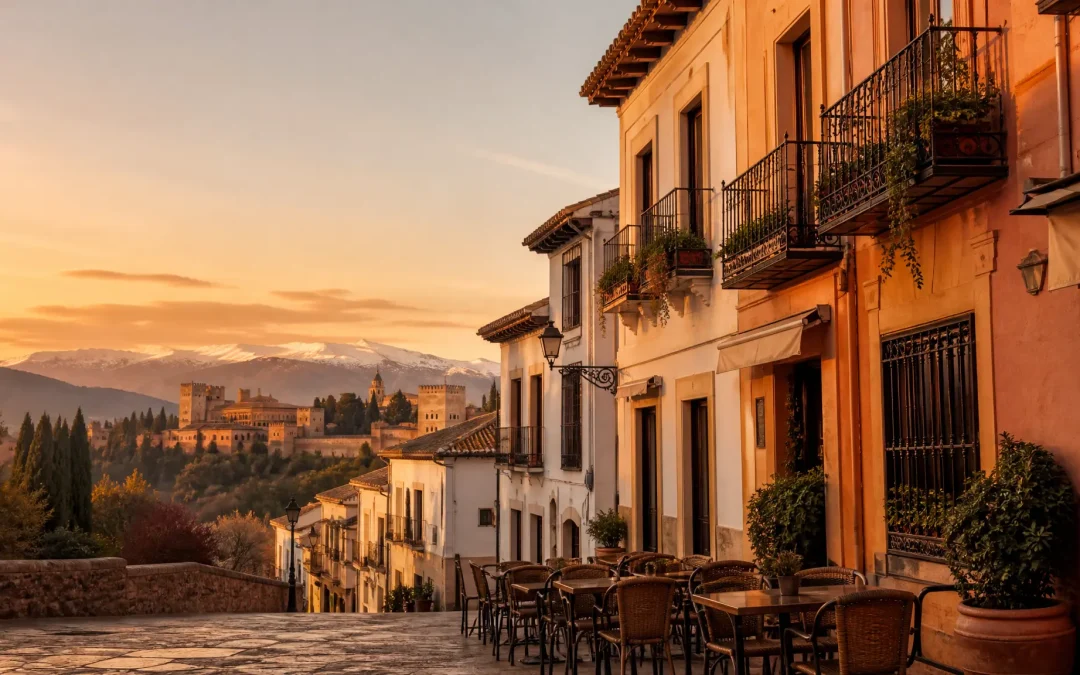
However, for Americans looking for a more balanced lifestyle in southern Europe, Granada deserves serious consideration. It is a city where you can drink coffee beneath historic buildings in the morning, walk through the Albaicín in the afternoon, and see the Sierra Nevada mountains before dinner.
Why Americans Are Attracted to Granada
Granada has a strong identity. It is not simply a smaller version of Madrid, Barcelona, or Málaga. The city has its own rhythm, shaped by its Islamic heritage, Christian history, university population, artistic traditions, and location between the mountains and the Mediterranean coast.
One of the biggest attractions is the city’s scale. Granada is large enough to offer excellent restaurants, cultural events, healthcare services, shopping, cafés, and international connections, but it is still compact enough to explore without spending hours commuting.
The historic center is easy to navigate on foot, and many daily errands can be completed without a car. This can be a major lifestyle change for Americans who are accustomed to driving almost everywhere. Walking to the market, meeting friends for coffee, or going out for tapas becomes a normal part of everyday life.
Granada also has an active international community. English is widely heard in certain parts of the city, especially around the university and tourist areas. Nevertheless, learning Spanish is essential if you want to build a deeper connection with local people and feel truly comfortable living here.
The Cost of Living in Granada
The cost of living in Granada is one of its strongest advantages, although it is important not to assume that everything is inexpensive. Prices vary considerably depending on the neighborhood, the size and condition of the property, and your personal lifestyle.
Housing is generally more affordable than in many large American cities, particularly when compared with places such as New York, Los Angeles, San Francisco, Boston, or Seattle. However, the most attractive apartments in central neighborhoods can be highly sought after, especially during the academic year.
Eating out can also be relatively accessible. Granada’s traditional tapas culture allows residents to enjoy a drink accompanied by a small dish in many local establishments. Beyond tapas, the city has restaurants offering Andalusian cuisine, international food, vegetarian options, specialty coffee, and more refined dining experiences.
Public transportation is another advantage. Many residents use local buses, taxis, or simply walk. Owning a car is not always necessary if you live near the center. A vehicle becomes more useful if you want to explore the Alpujarra, Sierra Nevada, the Costa Tropical, or smaller towns in the province.
The most important point is that your budget will depend on your expectations. Someone who wants a central apartment, frequent international travel, imported products, and a lifestyle similar to the United States will spend more than someone who lives like a local and shops seasonally.
The Best Neighborhoods for Americans in Granada
Choosing the right neighborhood can make a major difference to your experience.
The historic center is practical for people who want to be close to shops, restaurants, cafés, the Cathedral, the Royal Chapel, and everyday services. It is lively and convenient, although some streets can become busy during peak tourist periods.
Realejo is one of the most attractive options for many international residents. Located near the Alhambra hill, it combines historic character with a more residential atmosphere. It has cafés, restaurants, small shops, and access to the center without feeling completely dominated by tourism.
The area around Camino de Ronda and Plaza Einstein can be convenient for people who prefer wider streets, supermarkets, transport links, and a more modern urban environment. It is also popular with students and younger professionals.
The Albaicín is one of the most beautiful areas of Granada, with whitewashed houses, traditional architecture, and views of the Alhambra. It can be magical as a place to visit, but daily life requires more consideration. Some streets are steep, access can be difficult, and carrying groceries or moving furniture may be inconvenient.
Sacromonte offers an extraordinary atmosphere and some of the most memorable views in the city. It is peaceful in certain areas, but it is less practical for everyday errands and may not suit people who want easy access to supermarkets and public transportation.
Before signing a long-term rental contract, it is a good idea to spend time in the neighborhood at different times of day. A street that seems peaceful in the afternoon may feel very different at night, while a lively area may be ideal for one person and too noisy for another.
The Climate and Outdoor Lifestyle
Granada has a varied climate. Summers can be very hot and dry, while winters can feel surprisingly cold, especially inside older apartments that were not designed with the same insulation standards familiar to many Americans.
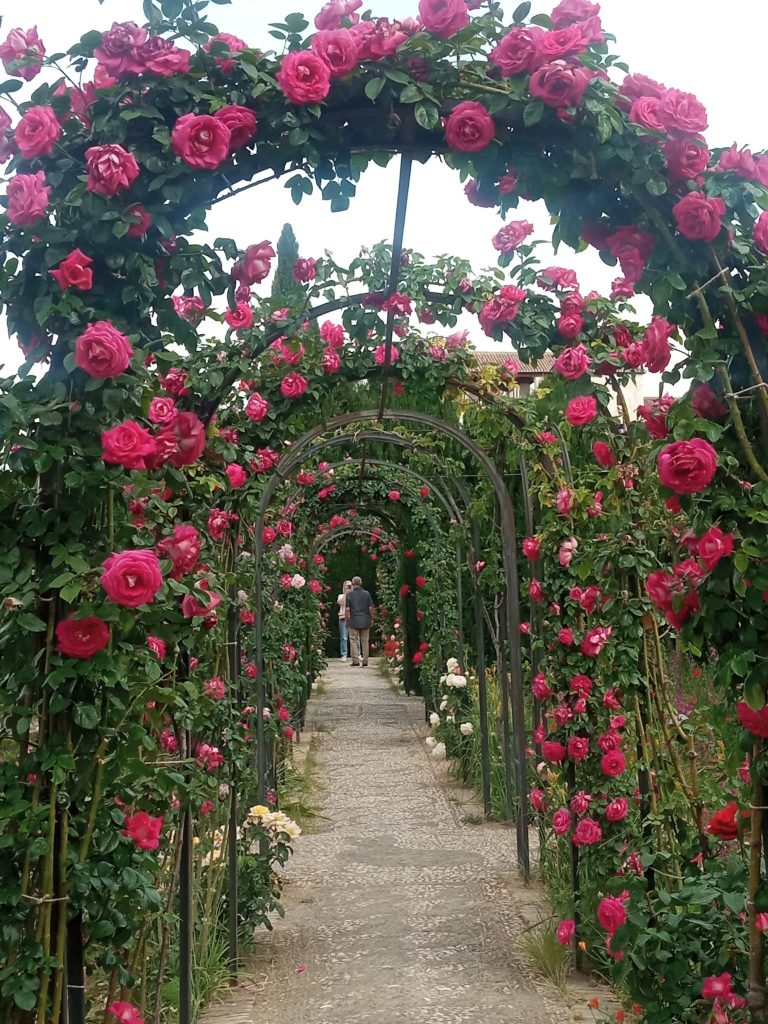
The advantage of Granada’s location is that every season offers something different. Spring brings pleasant temperatures and beautiful gardens. Summer evenings can be enjoyed outdoors, especially when the temperature drops after sunset. Autumn is excellent for walking and exploring the surrounding countryside. Winter offers access to the Sierra Nevada and its mountain landscapes.
Outdoor activities are easy to incorporate into daily life. Residents can go hiking, cycling, skiing, or take trips to the coast. The city’s position makes it possible to enjoy both mountain and Mediterranean environments without living in a major metropolitan area.
Healthcare and Everyday Services
Spain is known for having a public healthcare system, and Granada also has private clinics and medical services. Americans who move to Spain should research the healthcare requirements connected to their residency status and consider obtaining appropriate private coverage when necessary.
For everyday services, Granada offers most of what a resident needs. There are supermarkets, pharmacies, banks, gyms, language schools, markets, cafés, and professional services. Some specialized products may be harder to find or more expensive than in the United States, particularly imported brands.
Administrative procedures can be one of the more challenging aspects of moving to Spain. Appointments, official documents, translations, registrations, and local paperwork require patience. A reliable professional adviser can be useful for immigration, tax, insurance, or legal matters.
Is Granada Safe for Americans?
Granada is generally a comfortable city for residents and visitors, but normal precautions are still necessary. Pickpocketing can occur in crowded places, and it is sensible to pay attention to personal belongings in busy streets, transport areas, and tourist attractions.
The city is not free from the ordinary problems of urban life, but many Americans appreciate its human scale and relaxed atmosphere. As in any city, your experience will depend partly on where you live, how you move around, and how well you become familiar with your surroundings.
Learning local customs also helps. Spanish social life often takes place later than many Americans expect, dinner is usually served late, and personal relationships are an important part of daily life. Adapting to these differences can make the transition much easier.
The Challenges of Living in Granada
Granada has many advantages, but it is important to understand the challenges before moving.
The city is smaller than Madrid or Barcelona, so professional opportunities in certain industries may be limited. Remote workers, retirees, students, teachers, and people with independent income may find the transition easier than those who need a local job in a specialized sector.
Spanish bureaucracy can also be frustrating. Processes may take time, requirements can change, and not every office operates in English. Speaking Spanish, even at an intermediate level, can make daily life significantly easier.
The climate may also require adjustment. Summer heat can be intense, while winter apartments may feel colder indoors than expected. Finally, Granada’s hills and cobblestone streets are charming but not always convenient for people with mobility concerns.
So, Is Granada a Good Place to Live for Americans?
For Americans who value culture, walkability, outdoor access, good food, and a slower daily rhythm, Granada can be an excellent place to live. It offers a more relaxed lifestyle without giving up the services and energy of a real city.
It is especially appealing to people who are prepared to learn Spanish, adapt to local customs, and approach the move as a cultural experience rather than simply trying to recreate life in the United States.
The best way to decide is to spend more than a few days here. Visit during a different season, stay in a residential neighborhood, use public transportation, shop in local markets, and imagine your normal routine rather than only your vacation schedule.
Granada may not be the right choice for everyone, but for many Americans, it offers something increasingly valuable: a beautiful city, meaningful daily experiences, and more time to enjoy life.
Frequently Asked Questions About Living in Granada
Is Granada a good place to live for Americans who do not speak Spanish?
It is possible to begin life in Granada with limited Spanish, especially in international and university areas. However, learning Spanish will help you manage paperwork, communicate with neighbors, access services, and build genuine relationships with local people.
Is Granada cheaper than the United States?
Granada can be more affordable than many major American cities, especially regarding housing, public transportation, and dining out. Your actual expenses will depend on your accommodation, lifestyle, travel habits, and whether you purchase imported products.
Do Americans need permission to live in Granada?
Visiting Spain and living in Spain are different situations. Americans should research the current Spanish immigration requirements and choose the residency option that matches their circumstances. Requirements can change, so professional advice may be appropriate.
Can Americans live comfortably in Granada?
Many Americans can live comfortably in Granada, particularly if they have a stable income, retirement funds, remote employment, or savings. Comfort depends on your expectations, housing choice, healthcare arrangements, and ability to adapt to local life.
Is Granada a good place to retire?
Granada can appeal to retirees who enjoy history, walking, culture, restaurants, and access to nature. Before moving, retirees should carefully investigate healthcare, taxes, residency requirements, housing, and proximity to family.
What is the best neighborhood for an American in Granada?
Realejo and the central areas are often practical starting points because they offer access to shops, restaurants, transport, and services. The best neighborhood depends on whether you prioritize views, quiet streets, accessibility, nightlife, or proximity to everyday amenities.