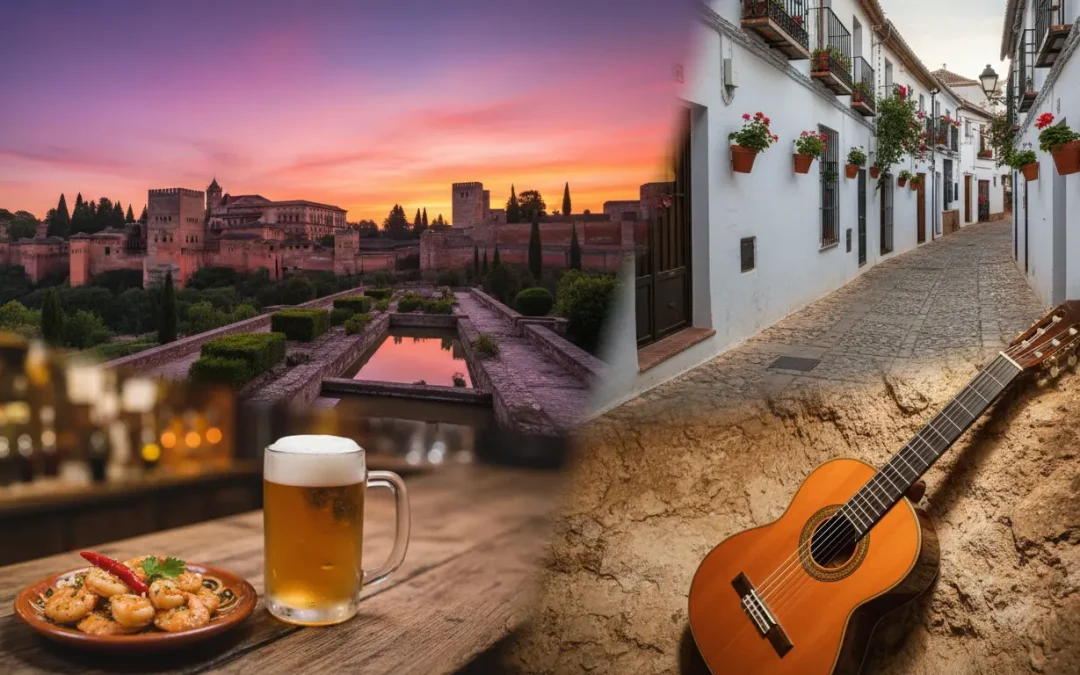
Granada like a local is not about rushing through a checklist—it’s about letting the city’s layers unfold at street level. Granada is undeniably one of the most beautiful cities in the world, and the millions of visitors who arrive every year prove it. First-timers have a lot to discover, and “repeat offenders” always find a new reason to come back.
This Andalusian city is far more than a Moorish citadel wrapped in a modern Christian coating. Legendary cultures have collided here for centuries, leaving behind a distinctive mix of bohemians, poets, business people, artists, and musicians. If you want to experience Granada with a more local rhythm, here are five essential ideas to build your days around.
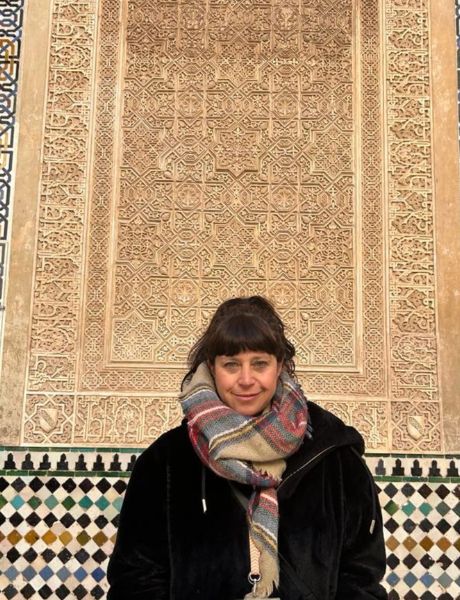
1) Alhambra and Generalife Palaces
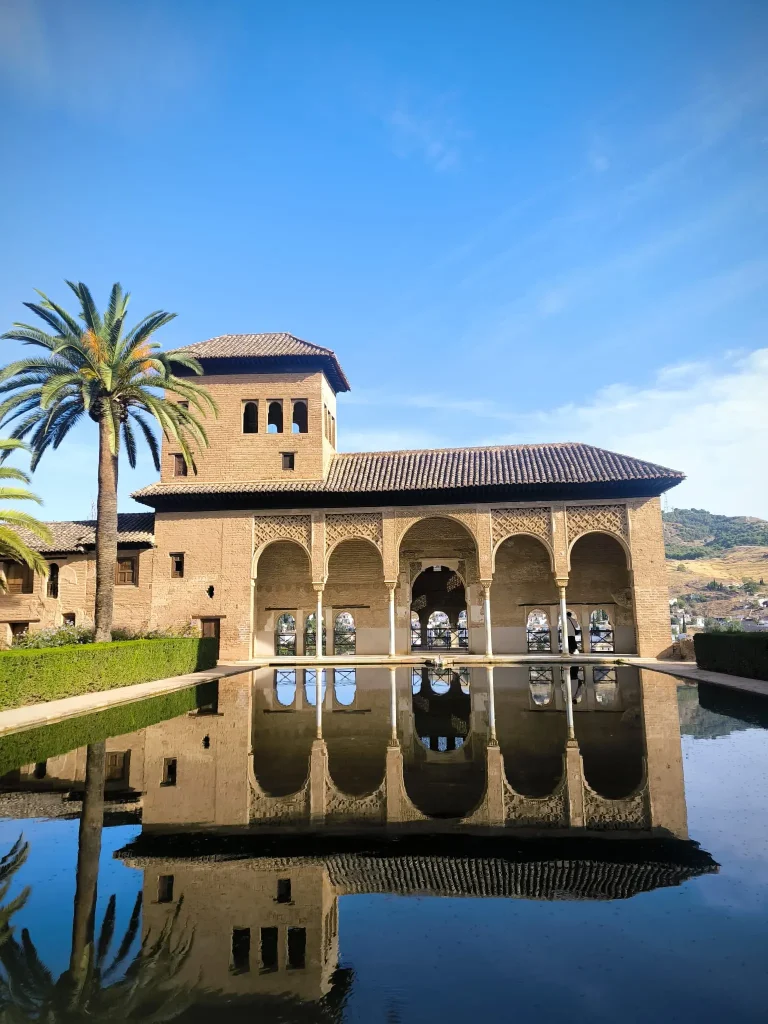
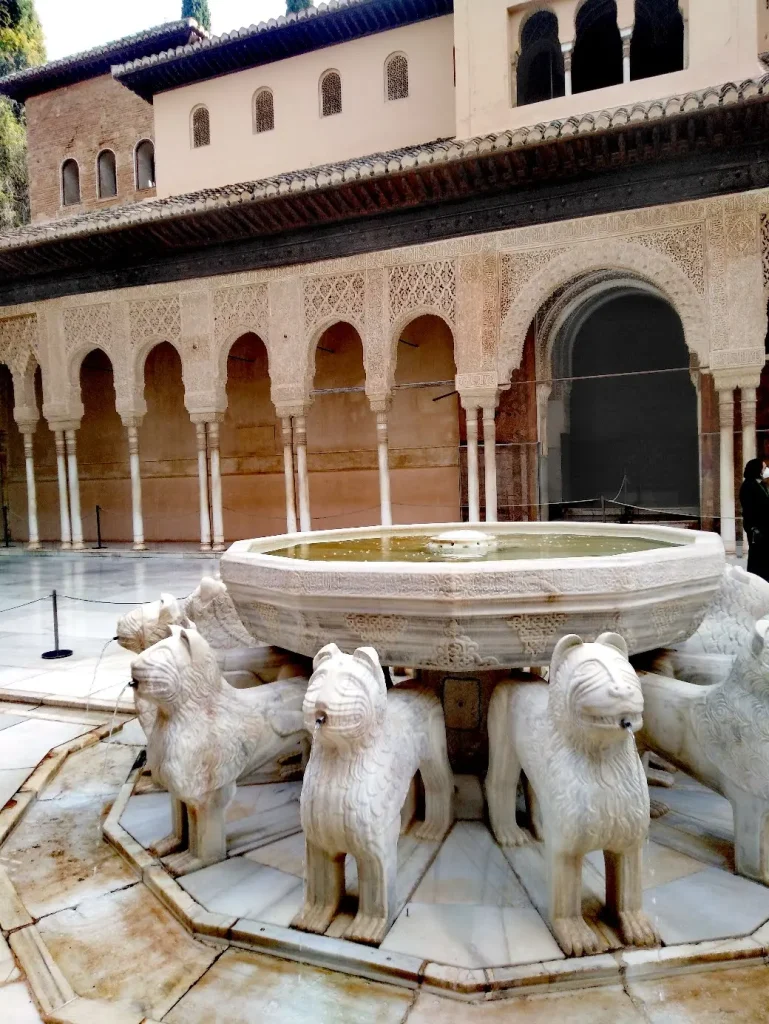
The Alhambra is more than a palace. It’s an entire walled city within the city of Granada: royal apartments, forts, gardens, pavilions, barracks—all surrounded by impressive defensive walls.
Its name is linked to its reddish walls (in Arabic, qa’lat al-Hamra’ means “Red Castle”). It sits on top of the hill al-Sabika, on the left bank of the River Darro, west of Granada’s city center, and directly facing the Albaicín.
It’s also the most visited monument in Spain, with around three million visitors per year—about 8,500 per day in peak season—so tickets sell out quickly. If you want to avoid disappointment, book ahead and remember: your ticket includes a strictly controlled time to enter the Palacios Nazaríes (Nasrid Palaces).
The complex was founded in 1238 during the Nasrid dynasty. With more than 2 km of walls and up to 32 towers, only 3 of the original 7 palaces can be visited today.
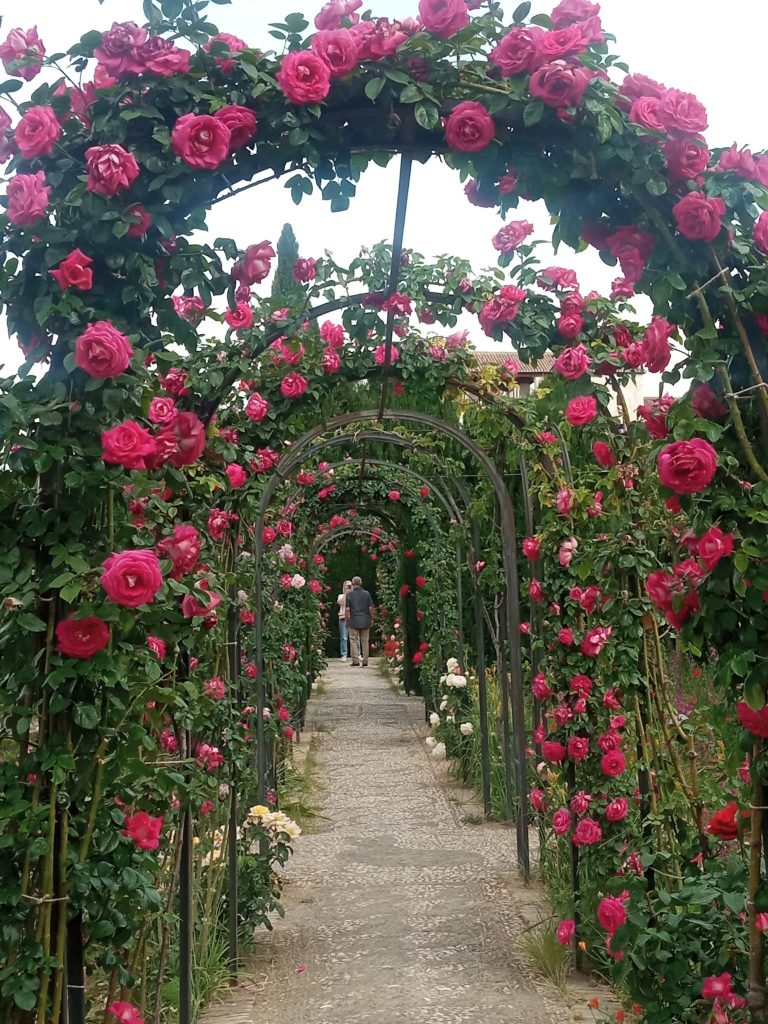
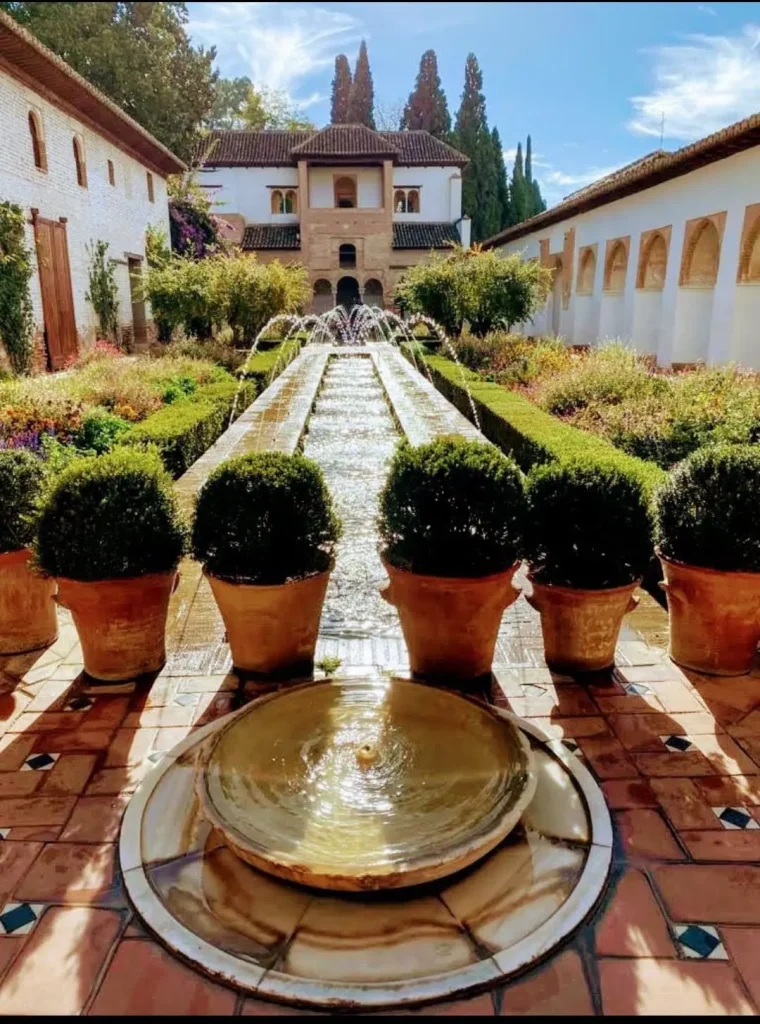
And then there’s the Generalife Palace, the Sultans’ country house—a place designed for leisure, poetry, music, and escaping official affairs. With its patios, pools, fountains, and lush gardens, it takes its name from the Arabic jinan al-‘arif, meaning “the overseer’s gardens.”
If you want to visit with deeper context (and a smoother experience), consider a guided option like Alhambra Palace Private Tours or explore Alhambra.
2) Tapas and drinks
Are you a foodie? If food is one of your top travel interests, Granada is one of the most exciting places to eat in Spain. Spanish and Moorish influences appear across dishes and pastries, and going out for tea can be nearly as popular as going for a beer.
Tapas began as a bite to go with your drink, but they evolved into an entire way of eating. It’s less about one “type of food” and more about small portions, finger food, and sharing—perfect for tasting many specialties across multiple stops.
So, what is a tapa? A tapa is a small dish of something edible. It might be a smaller version of an item on the menu, or it might exist only as a tapa. Tapas may be free or paid depending on the city. In Granada, most tapas are still free of charge when you order a drink.
If you’re unfamiliar with the city, bar hopping can feel intimidating—what if the next place isn’t as good? That’s where a local-led tour helps: you can book a guided experience via Tours and let an expert choose the best stops and pairings.
3) Albaicín: the old Muslim district
El Albaicín is the old Moorish quarter of Granada, set on a hill facing the Alhambra. It truly feels like a different world within the city—narrow lanes, traditional houses, and layers of Moorish architecture.
The Church of San Nicolás is worth the steep walk for one of the best views of the Alhambra and the Generalife, often with Sierra Nevada behind. From there, you can descend toward the River Darro, passing squares and churches that were once mosques during the Muslim period, along with historic drinking water tanks (like those at San Cristóbal or San Salvador).
The wall around the Albaicín dates to the Nazari period (late 14th century), built to defend the districts on San Cristóbal Hill. The Alhambra and the Generalife were collectively designated a UNESCO World Heritage site in 1984, and the Albaicín was added in 1994.
4) Flamenco in Sacromonte caves
Sacromonte is home to Granada’s thriving Roma community, historically associated with cave homes carved into the hills. The district is famous for flamenco performed in these caves—often called zambras—where you’ll find a mix of music, dance, and an atmosphere that is undeniably Granada.
Two well-established venues mentioned are Zambra Cueva del Rocío (Camino del Sacromonte 70) and María la Canastera: marialacanastera.com.
During the day Sacromonte can feel quiet, but at night it comes alive. Even if some shows feel touristic, the experience is still worth it—especially paired with the views back across the valley to the Alhambra and Albaicín.
If you want a cultural stop during the day, the Museum “Cuevas del Sacromonte” explains local history, traditions, and daily life through a group of preserved cave houses.
5) Walk Granada: Cathedral and surroundings
Granada invites you to walk. A classic route can start in the morning around Bib-Rambla Square with its flower stalls, then along Alcaicería Street and Pescadería Square. It’s the kind of stroll where you should step into a spice shop, pause for a tapa, and end up browsing a traditional pottery store.
The Alcaicería market is Granada’s “big bazaar,” historically the Moorish silk market. Today it’s smaller and more touristic, but it still offers a vibrant, narrow-street atmosphere with ceramics, inlaid wood, fabrics, and stained glass lamps.
Nearby, you can visit the Cathedral and the Royal Chapel—among the city’s most visited monuments after the Alhambra. And for a different flavor of Granada, head to Calderería street in the lower Albaicín for tea and Arabic pastries—honey, almonds, orange blossom water, and sesame scents that feel straight out of a storybook.
If it’s your first time in the city, the best way to connect the dots is with a local guide—explore your options at guided tour or get in touch through Contact.