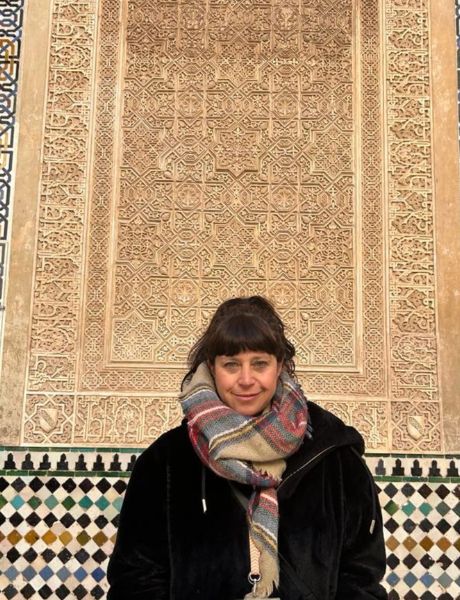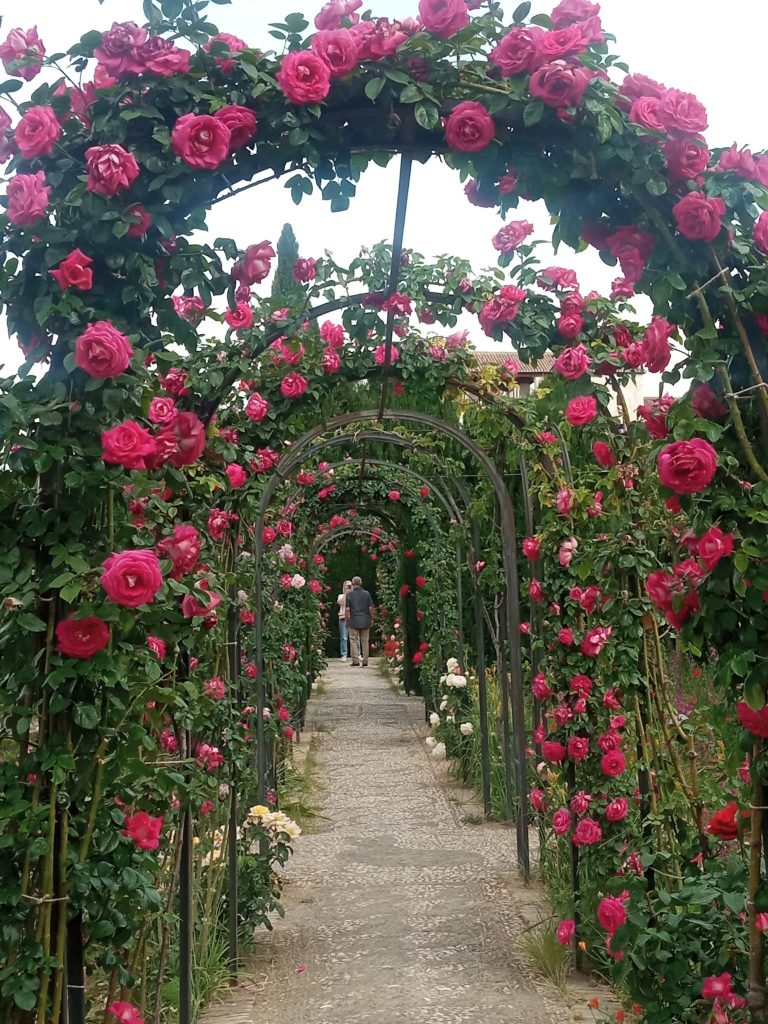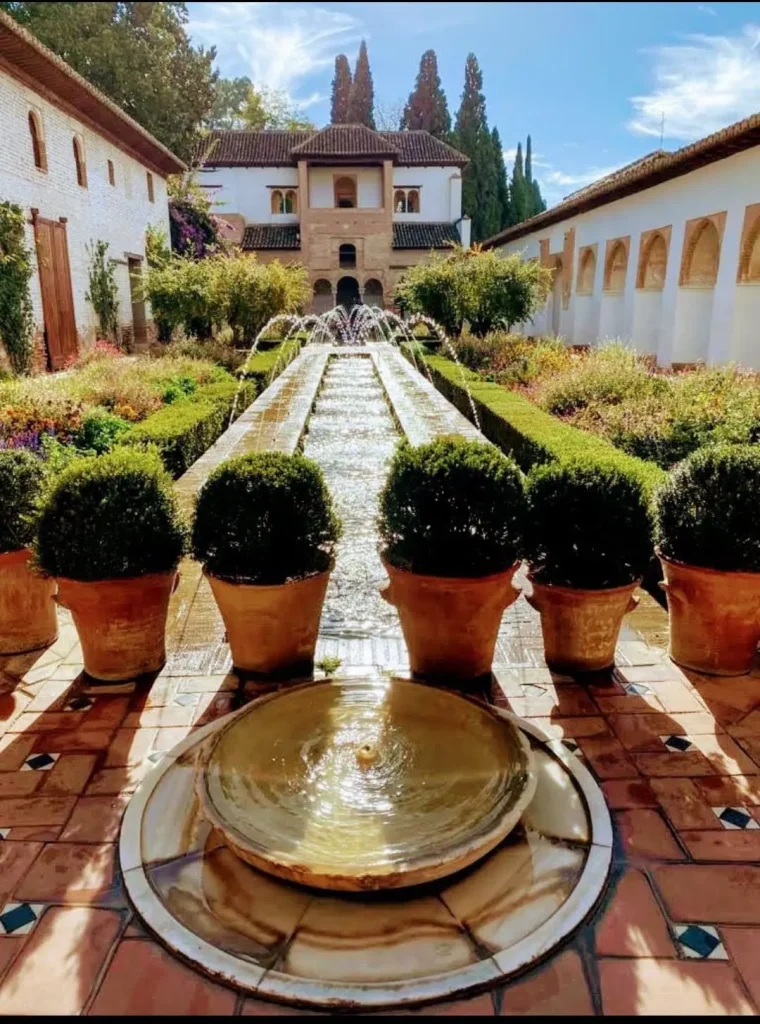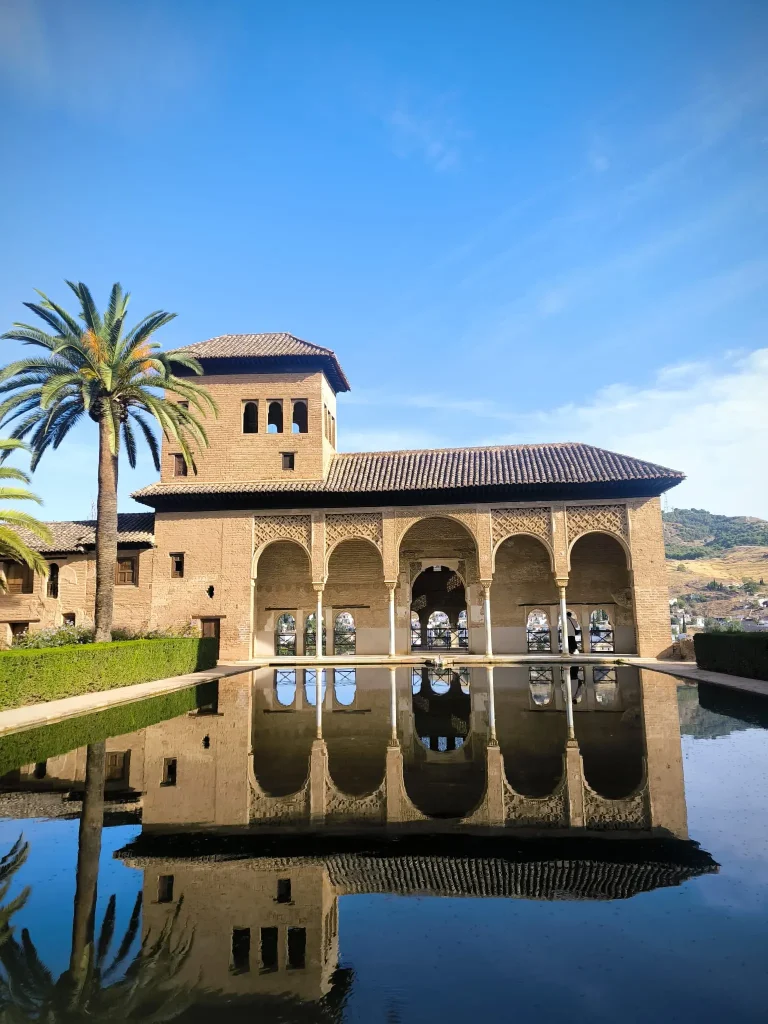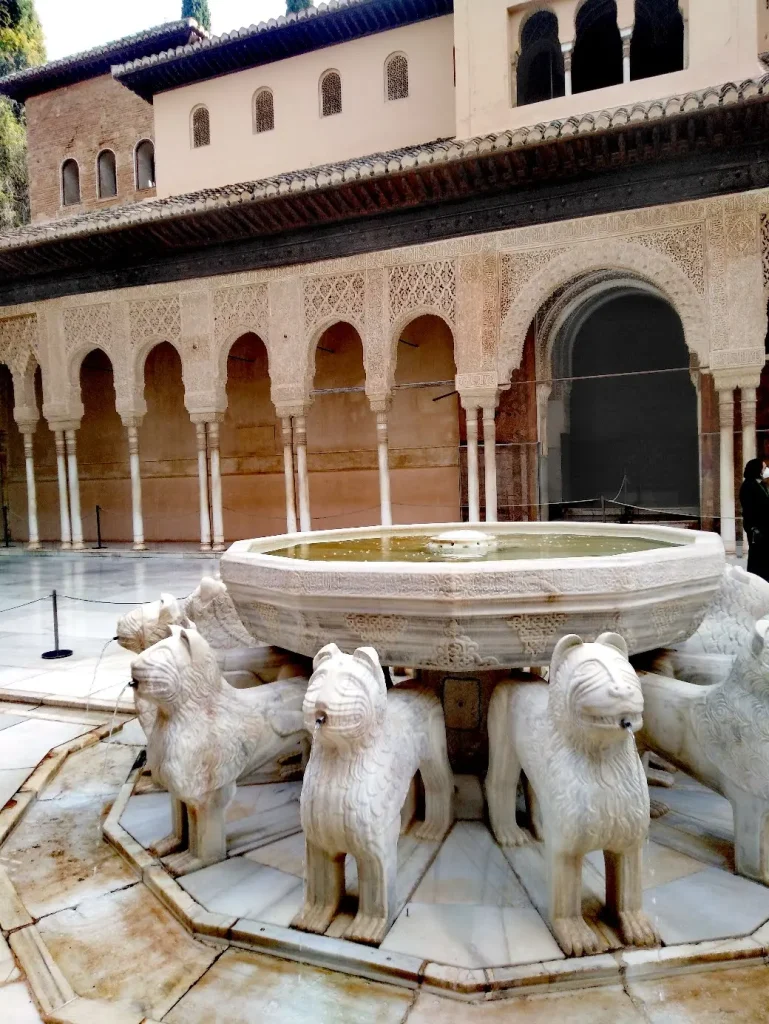
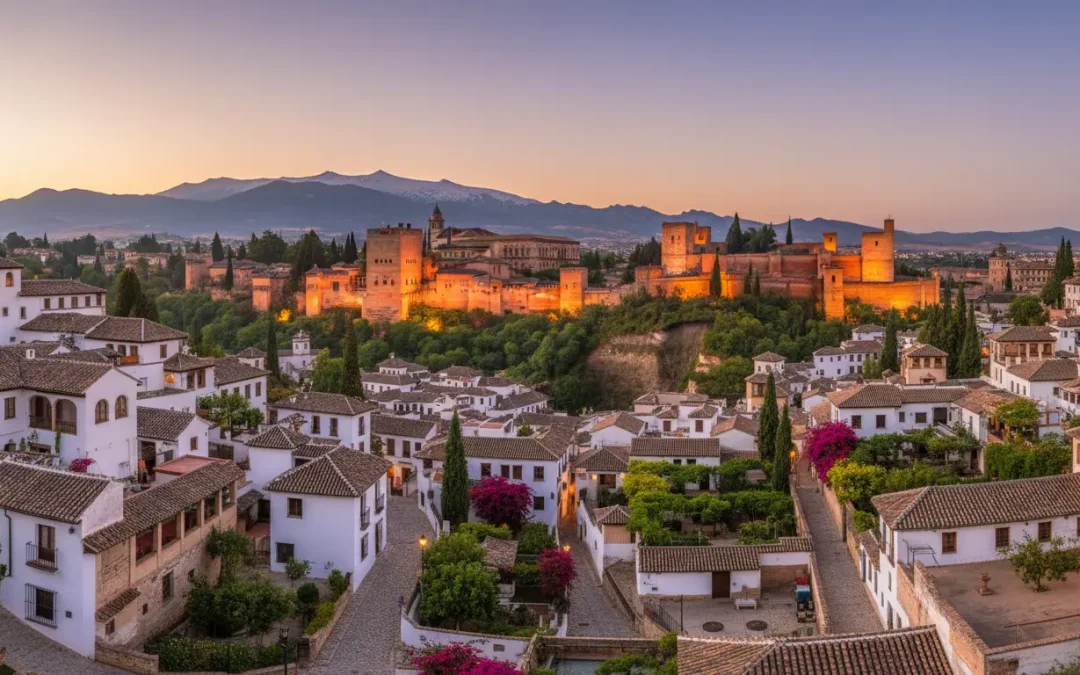
Albayzin Old District of Granada feels like a different world inside the city. Even though Granada is relatively small, it holds an extraordinary multicultural legacy—Romans, Visigoths, Jews, Muslims, Gypsies, and Christians have all passed through and shaped its identity. Nowhere is that layered history more tangible than in the Albaicín (also written Albayzín/Albaycin), the oldest quarter of Granada, where Muslim influence is still visible in the urban layout, the architecture, and the atmosphere.
One of the reasons this neighborhood is so captivating is its geography. The Albaicín sits on the hills opposite the Alhambra, separated by the Darro River. Across the valley you can see the famous Moorish palace-fortress complex rising above the trees—an iconic backdrop that follows you through many of the neighborhood’s streets and viewpoints. If you want context on the monument itself, you can read more about it here: Alhambra. And if you’re planning your visit and want a deeper, more personal experience, you can explore options for a local-led experience with Alhambra Palace Private Tours or browse more experiences at Tours.
Granada’s own story is full of turning points. The city’s name may come from the Spanish word granada—pomegranate—which appears on its coat of arms. It also connects to its Moorish name, Karnattah (Gharnāṭah), often interpreted as “hill of strangers.” Granada became the seat of the Moorish kingdom of Granada and the final stronghold of the Moors in Spain, until it fell to the Catholic Monarchs, Ferdinand II and Isabella I, in January 1492.
What makes the Albaicín special?
The Albaicín is defined by narrow cobbled streets, steep slopes, and hidden corners. Historically, it featured luxurious cármenes—Moorish-style houses with gardens—and public baths such as the Bañuelo. At its height during the last years of Nazarid dominance, the quarter held a population of more than forty thousand inhabitants and thirty mosques. After the Reconquest, the Albaicín was initially left as a residential area for Muslims, but over time the population diminished. Still, what remains today is one of the most atmospheric places in the city—perfect for slow exploration.
And it’s not just about monuments. This is a neighborhood to experience with all your senses: the sounds of footsteps on stone, the scent of jasmine drifting from a courtyard, the sudden opening of a mirador with the Alhambra framed against the mountains.
The 5 best things to see in Albaicín
Here are five highlights that capture the spirit of the district and help you structure your walk:
- Church of San Nicolás and the views
The hike up is worth it. From this viewpoint you get one of the most spectacular panoramas of the Alhambra, often set against the mountain range of Sierra Nevada. It’s the kind of view that stays with you long after you leave Granada. - Church of San Salvador
Built in the 16th century over an old mosque, this church reflects Granada’s layered identity. Look for the horseshoe arches, Arab-style ceilings, and the traditional water tank—details that reveal how history leaves marks on architecture. - Paseo de los Tristes
Also known as the Promenade of the Sad, this riverside walk runs parallel to the Darro River. Its name comes from the funeral carriages that once passed through on the way to the Alhambra cemetery. Today it’s lively, scenic, and ideal for an afternoon stroll beneath the Alhambra’s walls. - Plaza Larga
One of the most vibrant squares in the neighborhood, known for its daily fruit and vegetable market. On Saturdays, the flower market adds even more color. It’s also a great place to pause for tapas and soak in local life. - Arab Baths (Carrera del Darro, 31)
Among the oldest and largest Arab baths in Spain, this 11th-century site is admired for its architectural beauty—especially the octagonal roof openings that provided natural ventilation.
UNESCO recognition and the best way to explore
The Alhambra and the Generalife were collectively designated a UNESCO World Heritage site in 1984, and the Albaicín was added in 1994. That recognition makes sense the moment you begin wandering here: the district is not a single attraction, but an entire historic landscape.
My best advice is simple: don’t rush it. Walk without a strict plan, take detours, and let the neighborhood surprise you. And if you want to uncover the most authentic corners and stories, consider discovering this Muslim quarter with a local guide through Be Local Granada Private Tours. You can also explore more posts like this in the Travel Blog and learn more about the guide behind the experiences on meet Gaby.